Is an Income Tax Refund Considered Income? Use Yours to Finance a Used Car in Miami
Posted Monday, Dec 01, 2025
Wondering if an income tax refund counts as income? Discover how you can use yours to secure a great deal on a used car in Miami.
Understanding Income Tax Refunds
Income tax refunds can often feel like a windfall, but understanding their origin can help you make the most of them. An income tax refund is essentially the return of your money that was overpaid to the government. Throughout the year, your employer withholds taxes from your paycheck based on anticipated earnings and tax obligations. When you file your tax return, you calculate the exact amount of tax you owe for the year. If the amount withheld exceeds your actual tax liability, the government sends you a refund for the difference. This process ensures that taxpayers do not overpay their taxes.
However, the mechanics of tax refunds can sometimes be confusing. The government uses intricate formulas and guidelines to establish how much should be withheld from each paycheck. Various factors, such as your filing status, number of dependents, and other deductions, play a significant role in determining the amount of withholding. If you have additional credits or deductions that lower your taxable income, you might end up having paid more than necessary throughout the year, entitling you to a refund.
It’s essential to note that while receiving a tax refund can be an exciting event, it’s not always the most financially savvy situation. In essence, a tax refund means you have given an interest-free loan to the government. Therefore, understanding how to adjust your withholding to better match your tax liability can help you improve your financial planning. By doing so, you can increase your take-home pay throughout the year and have better control over your finances.
Are Tax Refunds Considered Income?
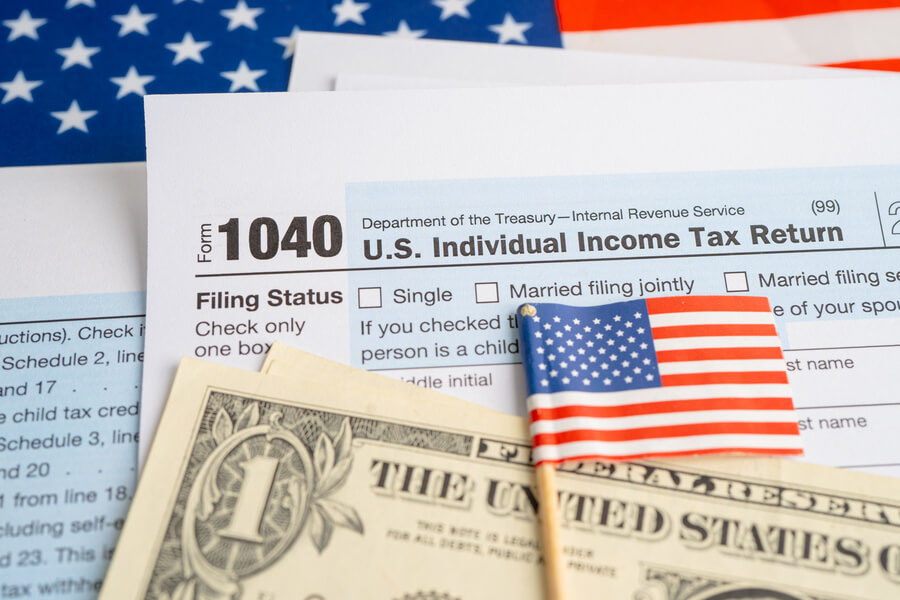
The question of whether tax refunds are considered income is a common one and can cause some confusion. Generally, income tax refunds are not considered taxable income. This is because the refund represents money that was already taxed and overpaid. When you receive a refund, you are essentially getting back an overpayment of your own money. Therefore, it is not included in your taxable income for the following year.
However, there are exceptions to this general rule. For example, if you claimed a deduction for state or local taxes paid in a previous year and subsequently received a refund for those taxes, you may need to report that refund as income on your federal tax return. This is due to the tax benefit rule, which states that if you received a benefit from deducting the taxes in a prior year, the refund is considered income in the current year.
Another scenario where tax refunds might be considered income is when dealing with interest on the refund. Sometimes, if your refund is delayed, the IRS may pay interest on the amount owed. This interest is considered taxable income and must be reported on your tax return. The IRS will send you a Form 1099-INT if you received interest of $10 or more, which you will need to include as income.
Understanding these nuances can help you better manage your tax situation and avoid surprises when filing your taxes. It’s always wise to consult with a tax professional if you’re unsure about the tax implications of your refund or any other tax-related matters.
Tax Refunds and Their Impact on Your Finances
Tax refunds can have a significant impact on your personal finances, offering opportunities to improve your financial situation. When managed wisely, a tax refund can be a powerful tool for achieving financial goals. For many, a tax refund provides an opportunity to pay down debt, build an emergency fund, or invest in long-term financial security. Using a tax refund to reduce high-interest debt, such as credit card balances, can save you money on interest payments and improve your overall financial health.
Another strategic use of a tax refund is to bolster your emergency savings. Financial experts recommend having three to six months’ worth of living expenses saved in an easily accessible account. This fund acts as a financial safety net in case of unexpected expenses, such as medical emergencies, car repairs, or job loss. By using your tax refund to build or replenish your emergency fund, you can gain peace of mind knowing you have a financial cushion.
Investing your tax refund can also yield long-term benefits. Consider contributing to retirement accounts such as an IRA or 401(k), which offer tax advantages and help secure your financial future. Alternatively, you might invest in the stock market, mutual funds, or other investment vehicles that align with your risk tolerance and financial goals. The key is to use your tax refund in a way that enhances your financial stability and growth.
Using Your Tax Refund Wisely: Financial Strategies
Using your tax refund wisely requires careful planning and consideration of your financial priorities. One effective strategy is to create a budget or plan for how you will allocate the refund. By breaking down the total amount into specific categories, such as debt repayment, savings, and investments, you can ensure that your refund is used effectively to support your financial goals.
Paying off high-interest debt should be a top priority for many individuals. Credit card debt, in particular, can quickly become a financial burden due to high-interest rates. By using your tax refund to pay down or eliminate this debt, you can reduce your monthly expenses and free up more of your income for other purposes. Additionally, reducing your debt can improve your credit score, which can be beneficial for obtaining loans and financing in the future.
Another wise use of a tax refund is to invest in your personal development. Consider using a portion of your refund for educational courses, professional certifications, or skills training that can enhance your career prospects and earning potential. Investing in yourself can lead to greater job satisfaction, higher income, and long-term financial stability. Whether it's taking a course to learn a new skill or attending a professional conference, using your refund for personal growth can have lasting benefits.

The Benefits of Financing a Used Car
Financing a used car offers several advantages, making it an appealing option for many buyers. One of the primary benefits is cost savings. Used cars are typically less expensive than new cars, which means lower monthly payments and less interest paid over the life of the loan. Additionally, used cars tend to depreciate at a slower rate compared to new cars, so you may retain more of the car's value over time.
Another benefit of financing a used car is the wider selection of vehicles available within your budget. With the same amount of money, you might be able to afford a higher-end model or a car with more features if you choose a used vehicle. This can enhance your driving experience and provide better value for your money. Furthermore, used cars often come with lower insurance premiums, as the cost to replace or repair a used car is generally less than that of a new car.
Financing a used car can also provide more flexibility in terms of loan options and terms. Lenders may offer various financing plans tailored to your financial situation, allowing you to find a loan that fits your budget and needs. Additionally, some lenders specialize in used car financing and may offer competitive rates and terms. By exploring different financing options, you can secure a loan that works best for you and your financial goals.
How to Choose the Right Used Car in Miami
Choosing the right used car in Miami involves several important considerations to ensure you make a wise investment. Start by determining your budget, including how much you can afford for a down payment and monthly payments. This will help narrow down your options and prevent you from overspending. Additionally, consider the total cost of ownership, including insurance, maintenance, and fuel costs, to get a complete picture of the car's affordability.
Research is crucial when buying a used car. Look for makes and models that have a good reputation for reliability and low maintenance costs. Read reviews from other owners and consult resources such as Consumer Reports and J.D. Power for insights on the vehicle's performance and reliability. Additionally, check the car's history report using services like Carfax or AutoCheck to ensure there are no hidden issues, such as accidents or title problems.
When you find a potential car, take the time to inspect it thoroughly and take it for a test drive. Pay attention to how the car handles, any unusual noises, and the condition of the interior and exterior. If you are not confident in your ability to assess the car's condition, consider hiring a professional mechanic to perform a pre-purchase inspection. This can help identify any potential problems and give you peace of mind knowing the car is in good condition.
Financing Options for Used Cars
When it comes to financing a used car, there are several options to consider, each with its own advantages and potential drawbacks. Understanding these options can help you make an informed decision and secure the best financing for your needs. One common option is to obtain financing through a bank or credit union. These lenders often offer competitive interest rates and flexible terms, especially if you have a good credit score. Additionally, credit unions may provide personalized service and lower fees compared to traditional banks.
Another option is dealership financing, where the car dealership arranges the loan through its network of lenders. This can be convenient, as it allows you to handle the car purchase and financing in one place. Dealerships may offer promotional rates or incentives, such as low or zero percent financing, to attract buyers. However, it’s important to carefully review the terms and compare them with other financing options to ensure you are getting a good deal.
Online lenders are another viable option for used car financing. These lenders often provide quick approval processes and competitive rates. By applying for a loan online, you can compare offers from multiple lenders and choose the one that best fits your financial situation. Online lenders may also offer tools and resources to help you understand your financing options and make an informed decision. Regardless of which financing option you choose, it’s essential to shop around and compare rates and terms to find the best deal.

The Role of Your Tax Refund in Car Financing
Your tax refund can play a significant role in financing a used car by providing a substantial down payment. A larger down payment can reduce the amount you need to borrow, resulting in lower monthly payments and less interest paid over the life of the loan. Additionally, a larger down payment can improve your loan-to-value ratio, which may help you qualify for better interest rates and loan terms. Using your tax refund as a down payment can also demonstrate financial responsibility to lenders, potentially increasing your chances of loan approval.
Another way your tax refund can assist in car financing is by covering additional costs associated with buying a car. These costs can include sales tax, registration fees, and insurance premiums. By using your tax refund to cover these expenses, you can avoid dipping into your savings or incurring additional debt. This can help you maintain financial stability and ensure that you are fully prepared for the financial responsibilities of car ownership.
If you already have an existing car loan, your tax refund can be used to make extra payments or pay off the loan entirely. By reducing your loan balance, you can save on interest and potentially pay off the loan sooner. This can free up funds in your budget for other financial goals or allow you to upgrade to a different vehicle in the future. Using your tax refund strategically in this way can help you manage your car financing more effectively and achieve greater financial freedom.
Tips for Successfully Financing a Used Car
Successfully financing a used car involves careful planning and consideration of several important factors. Start by checking your credit score and obtaining a copy of your credit report. Your credit score plays a significant role in determining the interest rate and loan terms you qualify for. If your credit score is not where you want it to be, take steps to improve it before applying for a loan. This can include paying down existing debt, making timely payments, and correcting any errors on your credit report.
Next, determine how much you can afford to spend on a car, including the down payment and monthly payments. Use online calculators to estimate your monthly payments based on different loan amounts, interest rates, and loan terms. This can help you set a realistic budget and avoid overstretching your finances. Additionally, consider the total cost of ownership, including insurance, maintenance, and fuel costs, to ensure you can comfortably afford the car.
When shopping for a loan, compare offers from multiple lenders to find the best rates and terms. Don’t be afraid to negotiate with lenders and dealerships to secure a better deal. Additionally, read the loan agreement carefully and ensure you understand all the terms and conditions before signing. Look out for any hidden fees or prepayment penalties that could affect the total cost of the loan. By taking these steps, you can successfully finance a used car and make a wise financial decision.

Conclusion: Making the Most of Your Tax Refund
Making the most of your tax refund requires thoughtful planning and strategic use of the funds. By understanding the basics of income tax refunds and their impact on your finances, you can make informed decisions that support your financial well-being. Using your tax refund to pay down debt, build savings, or invest in your future can provide long-term benefits and enhance your financial stability.
When it comes to financing a used car, leveraging your tax refund as a down payment can reduce your loan amount, lower your monthly payments, and improve your loan terms. By carefully selecting the right used car, exploring various financing options, and following best practices for car financing, you can make a smart purchase that fits your budget and needs.
Ultimately, your tax refund is an opportunity to improve your financial situation and achieve your goals. Whether you choose to pay off debt, save for the future, or invest in a used car, using your tax refund wisely can lead to greater financial security and peace of mind. By taking a proactive approach and making informed decisions, you can make the most of your tax refund and enhance your overall financial well-being.